
"Brazilian coffee farming"
2000 article(s) found

Introduction to the characteristics of Grinding degree of Brazilian Hilado Coffee Bean Flavor description method
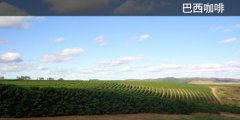
Brazilian coffee beans and Brazil because of flat and monotonous terrain, coffee farms are mostly less than 1000 meters above sea level, and it is customary to use the sun-exposed planting method, which is originally inconsistent with the high-altitude shade planting required by high-quality coffee beans. coincidentally, however, it has developed a unique Brazilian soft bean flavor with low acidity and heavy nutty flavor, sweet and mellow, and no obvious floral and fruity aroma. But for coffee gluttons,

Flavor description of Brazilian Hilado Coffee Grinding scale by Taste treatment method
In addition to the unique soil and climate, there is also a special phenomenon, that is, when you are near the coffee growing place, there will always be one or two farms where livestock are raised. The existence of the farm is the characteristic of the structure of the Sirado agricultural community. In the coffee field.
Basic knowledge of Coffee production and Coffee Farm in Brazil
The production of coffee is mainly taken into account, ① production, ② diseases and insect pests ③ quality as far as the stability pursued by agriculture is concerned, the first priority is production. In addition, 80% of Brazilian coffee is dried, and the remaining 20% is semi-dried and washed. Its coffee flavor characteristics are different, but high-quality coffee slightly tends to be semi-dried. However, the drying method

Why is the acidity of Brazilian specialty coffee relatively low?
Brazil is not only the largest coffee producer in the world, but also the most sophisticated. It turns out that everything from mass-produced coffee to the cheapest coffee in the world, to elegant coffee known as the origin of the world's best espresso brewing, has been proven. In Brazil, four different processing methods are used to remove fruit from beans, and on the same farm during the same harvest period.
Introduction to the ratio of hand-flushing powder to the price of Brazilian Hilado coffee beans
In addition to the unique soil and climate, there is also a special phenomenon, that is, when you are near the coffee growing place, you will always find one or two farms with livestock on the farm. The existence of the farm is the characteristic of the structure of the Sirado agricultural community. In the coffee plantation.

Coffee knowledge introduction to Brazilian coffee
Today, Brazil is the world's largest coffee producer. About 25% of the world's coffee comes from Brazil, which affects the development of the world coffee industry. Brazilian coffee is mainly grown in Parana, Santos Jing, Sao Paulo, Minas Gerais and Bahia. Most of the farms in these areas are less than ten hectares. According to the 2000 record, 71% of the farms in Minas Gerais are less than
How to distinguish the advantages and disadvantages of Brazilian coffee beans Brazilian coffee grading system
There are many large farms in Brazil, which run endless coffee plantations. They use machines to harvest and dry them. They are so efficient in automation that they regard coffee as a general agricultural material and completely abandon the flavor and flavor. As a result, many select coffee companies simply do not sell Brazilian beans so as not to demean themselves. In select coffee shops, Santos in Brazil still appears occasionally.

What is the coffee flavor and taste of the Topazio variety of barinas Coffee Farm in Brazil? Brazilian coffee beans
Professional coffee knowledge exchange more coffee bean information please follow the coffee workshop (Wechat official account cafe_style) Brazil barinas coffee farm Topazio coffee flavor and taste? How to make Brazilian coffee beans? As a pioneer in the Cerrado area, Barinas Farm and its family can be traced back to 1820, when Mrs. Thereza Tomasia and her

Introduction to Queen Farm information of Fazenda Rainha in Brazil
For the exchange of professional baristas, please follow the coffee workshop (Wechat official account cafe_style) Brazilian coffee, there are many kinds of Brazilian coffee, like other Arabica coffee, most Brazilian coffee is not washed but dried, they are classified according to the name of the country of origin and the port of transport. Brazil has 21 states and 17 states produce coffee, but five of them produce the most coffee.

Description of the taste and flavor of Minas beans in the Brazilian highlands how about Brazilian Minas coffee beans
Professional coffee knowledge exchange more coffee bean information please follow the coffee workshop (Wechat official account cafe_style) Brazil Hingland Minas Washed Yellow Bourbon Peaberry Brazil Highlands Minas beans imported Brazilian alpine coffee is located in the southern state of Minas, Brazil, about 1000-1350 meters above sea level, welcome to inquire about varieties: ARABICA (

Introduction of varieties of Grinding scale by taste treatment method for Flavor description of Brazilian Coffee Farm
Brazilian Coffee Flavor description of the region Flavor treatment Grinding scale varieties Brazil is the world's largest coffee producer. But Brazil originally did not produce coffee. Coffee originated in Arabia and was introduced into Europe in the 18th century and was very popular. Later, the French specially shipped the coffee saplings to French Guiana, which was finally introduced into Brazil, and finally carried forward in Brazil. Please don't

Flavor description of coffee beans in Brazilian manor introduction to the taste characteristics of coffee beans in Brazilian manor
Professional coffee knowledge exchange more coffee bean information please follow the coffee workshop (Wechat official account cafe_style) Stio So Sebastio farm history Sitio Sao Sebastiao story began in the mid-1990s. This is a pristine area where the father of the coffee producer grows about one hectare of coffee. Twenty years later, the area was dominated by his son Macy

How about Brazilian Minas balanced coffee beans? how about Brazilian Minas coffee acid? why is it not bitter?
For more information on coffee beans, please follow the coffee workshop (Wechat official account cafe_style) Andradas sul de Minas Coffee comes from Fazenda Santa Clara, a 130acre farm located in Andradas, Minas Gerais, Brazil. Fazenda Santa Clara was founded by the Basso family, who started in the 1930s

Brazilian Coffee Camon Farm Yellow bourbon Brazil half-sun single Coffee Bean recommendation
Professional coffee knowledge exchange more coffee bean information please follow the coffee workshop (Wechat official account cafe_style) Brazil-Camominas Camon Farm Yellow Bourbon varieties half-sun Brazil Carmo de MinasFz N.S CarmoYellow Bourbon Pulped Natural Carmo de Minas farmer Maria Lucia Junqueira Pereira products

Introduction to Brazilian Hilado Coffee Bean Flavor description treatment method, quality characteristics, taste manor
Introduction to the method of describing the flavor of Brazilian boutique coffee beans in recent years, Brazil has cleverly demonstrated the characteristics of Brazilian coffee and pointed out a way for the development of Brazilian high-quality coffee. Today's soft bean aesthetics has replaced the traditional impression of Brazilian mild coffee. A good Brazilian coffee should have a slightly sweet nut, low acidity and good consistency.

Brazilian Coffee beans-- recommendation of Brazilian half-sun coffee beans in Donna Manor
Professional coffee knowledge exchange more coffee bean information please follow the coffee workshop (Wechat official account cafe_style) Brazil _ Donna Manor _ half-sun Brazil Dona Nenem pulped natural for three consecutive years in the Brazilian boutique association BSCA competition, the owner of Fazenda Dona Nenm is Eduardo Pinheiro Campos, his home

Flavor description of Coffee from Diniz Farm in Brazil characteristics of Brazilian coffee beans
Professional coffee knowledge exchange more coffee bean information please follow the coffee workshop (Wechat official account cafe_style) Diniz farm Mr. Djalma Diniz is a smooth and mellow natural man of Diniz farm (Brazil). Dilma is a persistent man. Because after several failed attempts to open a coffee farm in the northern state of Minas Gerais, he found the ideal place for his success

Introduction to the flavor of sun-cured coffee beans in Saquarema Farm, South Minas, Brazil
Professional barista exchanges please follow the coffee workshop (Wechat official account cafe_style) South Minas Saquarema Farm of Brazil sun beans EU+NOP coffee was first introduced to Brazil in the early 18th century. In 1727 the Brazilian government sent a personable army officer to secretly bring coffee seeds from French Gaiana to Brazil on the ground of mediating border disputes. It is said that the law at that time

Brazilian Coffee Brand Syrador Coffee Chima Manor Bourbon semi-washed Brazilian Bourbon Coffee
Professional coffee knowledge exchange more coffee bean information please follow Coffee Workshop (Wechat official account cafe_style) Brazil-Siladochima Manor Bourbon varieties semi-washed Brazil-PatrocinioFz Macaubas De CimaBourbon Semi Washed region Minas Gerais, Patrosinio Farm owner Crocio Jozekast in Silado region
Brazil Menas Daterra Estate Introduction Sunrise Coffee Bean Description
Brazil is the world's largest coffee producer, accounting for about 30% of coffee production. However, due to Brazil's location in tropical rain forest areas, relatively flat terrain and few high-altitude forests, most coffee is planted in low-altitude non-volcanic soil areas, and there is not much shade as shade, resulting in the rapid growth of Brazilian beans, but the coffee density is soft and the flavor does not change much.